8 Steps to Take Before a Credit Check: Ensure Your Credit Is Ready
When preparing for any major financial decision—whether applying for a mortgage, auto loan, credit card, or even a job—your credit check plays a crucial role in determining your success. A strong credit report can result in favorable terms, lower interest rates, and a higher likelihood of approval. However, before undergoing a credit check, it’s important to take certain steps to ensure your credit report reflects the best possible version of your financial behavior.
This guide will walk you through eight essential steps to take before a credit check, so you can approach the process with confidence and improve your chances of securing better terms and approval.
Table of Contents
1. Unfreeze Your Credit
What Is a Credit Freeze?
A credit freeze, also known as a security freeze, is a tool consumers can use to prevent identity theft. By freezing your credit, you restrict access to your credit reports, preventing anyone from opening new accounts in your name unless you explicitly unfreeze your credit. This is a great way to safeguard your personal information, but it also means that lenders won’t be able to access your credit report when they perform a credit check.
Credit freezes have become more popular as data breaches have increased in recent years. Hackers often steal personal data, including Social Security numbers and other sensitive information, and use it to commit identity theft by opening fraudulent accounts. A credit freeze blocks this activity by preventing lenders from checking your credit unless you lift the freeze.
How to Check if Your Credit Is Frozen
If you’re unsure whether your credit is currently frozen, you can easily find out by logging into your accounts with each of the three major credit bureaus: Equifax, Experian, and TransUnion. Once logged in, you can view the status of your credit freeze.
Many consumers forget they’ve placed a freeze on their credit after a period of inactivity, so it’s crucial to check your accounts before applying for any form of credit. If your credit is frozen, you’ll need to unfreeze it, which can usually be done quickly online through the credit bureau’s website or by contacting their customer service department.
The Importance of Timing
Make sure you unfreeze your credit before you apply for credit, whether it’s for a loan, credit card, or rental application. If a lender tries to perform a credit check and finds that your credit is frozen, your application will likely be denied due to the inability to access your report.
Timing is critical, as some credit freezes can take 24 to 48 hours to fully lift. Be sure to plan ahead, especially if you’re applying for a mortgage or auto loan, where delays could jeopardize your approval.
2. Review Your Credit Reports and Scores
Why You Should Review Your Reports
Lenders will inspect your credit report to assess your financial history and reliability. They look for several factors, including your payment history, the length of your credit history, and any outstanding debt. Your report tells lenders whether you’re a responsible borrower, and errors or inaccuracies could lower your score and lead to worse loan terms—or even a denial of your application.
By reviewing your credit reports before a credit check, you get ahead of any issues that might hurt your chances of approval. Understanding what’s on your credit report also allows you to anticipate questions lenders may have about your credit history, helping you prepare explanations for any potential red flags like missed payments or high debt levels.
How to Access Your Free Credit Reports
You’re entitled to one free credit report per year from each of the three major credit bureaus through AnnualCreditReport.com. During the pandemic, this access was expanded to allow free weekly reports, so be sure to check if this option is still available when you request your report.
When you review your reports, check all three to get a complete view of your credit history. The information on your reports may vary slightly between the bureaus, as not all creditors report to every bureau. This makes it important to pull reports from Equifax, Experian, and TransUnion to ensure you don’t miss any discrepancies.
How to Check Your Credit Score
Your credit report doesn’t include your credit score. However, you can check your score for free through many financial institutions, credit card companies, and personal finance apps, including NerdWallet. Some credit card issuers offer free FICO or VantageScore access, which can give you a better idea of where your score stands relative to the lender’s requirements.
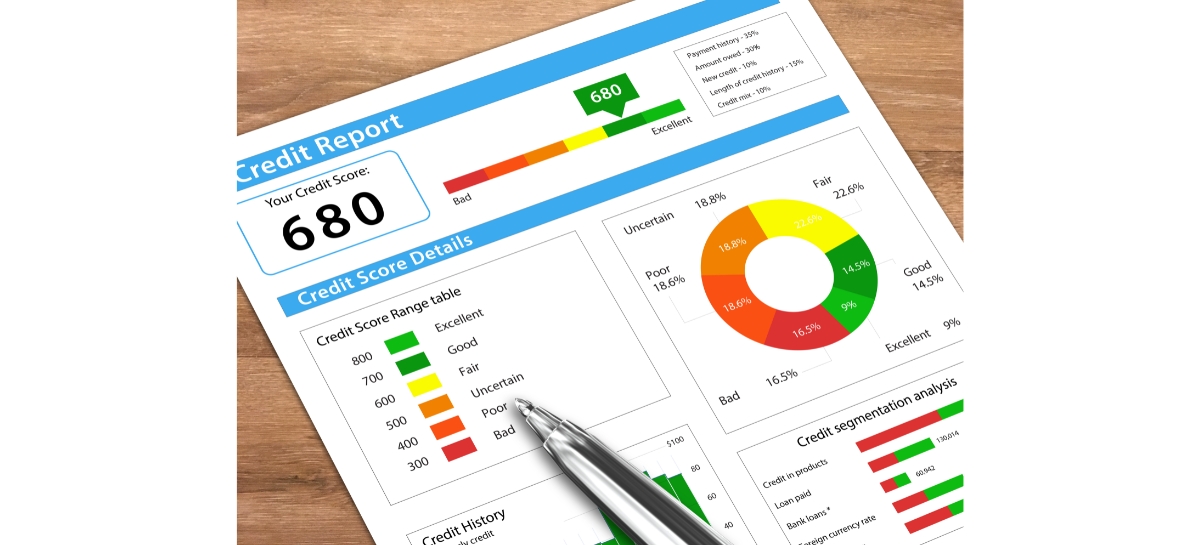
When reviewing your credit score, it’s important to understand the factors that impact it. Your score is based on a variety of elements, including:
- Payment history (35%): Whether you’ve made payments on time.
- Credit utilization (30%): The percentage of your available credit that you’re using.
- Credit history length (15%): The age of your oldest credit account.
- New credit inquiries (10%): Recent applications for new credit.
- Credit mix (10%): The variety of credit accounts you have (e.g., loans, credit cards).
Understanding how these factors contribute to your credit score can help you identify areas where you may need to make improvements before a credit check.
3. Address Any Errors or Discrepancies
Common Errors on Credit Reports
Errors on credit reports are more common than you might think. According to a study by the Federal Trade Commission (FTC), one in five people have errors on at least one of their credit reports. These errors can significantly affect your credit score and, in turn, impact your ability to secure favorable loan terms.
Common errors include:
- Incorrect account balances: A creditor may report a balance inaccurately, showing more debt than you actually owe.
- Accounts you don’t recognize: This could be a sign of identity theft, where someone has opened an account in your name without your knowledge.
- Incorrect personal information: Your credit report may list an incorrect or outdated name, address, or Social Security number.
- Duplicated accounts: Sometimes, an account may be listed twice, inflating your debt levels or number of inquiries.
- Incorrect payment statuses: Accounts that are listed as late or delinquent when you’ve actually made timely payments can severely impact your credit score.
How to Dispute Credit Report Errors
If you spot an error on your credit report, it’s essential to take action immediately. You can dispute errors with the credit bureau that issued the report—Equifax, Experian, or TransUnion. The bureau is legally required to investigate your claim, typically within 30 days, and provide you with a resolution.
Here’s how to dispute an error:
- Gather documentation: Collect any supporting documentation that proves the error, such as bank statements, canceled checks, or letters from creditors.
- File a dispute: Most credit bureaus allow you to file disputes online. You can also submit disputes by mail or phone, depending on the bureau’s process.
- Follow up: After filing your dispute, monitor your credit report to ensure the issue is resolved. You should receive a notification from the bureau once the investigation is complete, and the report will be updated if the dispute is valid.
If the credit bureau determines that your dispute is valid, they’ll remove the error from your report, potentially boosting your score before the credit check.
4. Pay Down Debt and Keep Utilization Low
Why Credit Utilization Matters
One of the most significant factors in your credit score is your credit utilization ratio—the percentage of your available credit that you’re using. A high utilization rate can negatively affect your score, even if you’re making your payments on time. Ideally, your credit utilization should be below 30%, but keeping it under 10% can provide an even bigger boost to your score.
Tips for Lowering Your Credit Utilization
If your credit utilization is high, consider taking the following actions before a credit check:
- Pay down balances: Focus on paying down credit card balances as much as possible. Even paying an extra $50 or $100 toward a balance can make a difference in your utilization rate.
- Make multiple payments: Instead of waiting until the end of the billing cycle, make smaller payments throughout the month. This helps keep your reported balance lower, which positively impacts your credit score.
- Spread out balances: If you have multiple credit cards, spread out your debt across several accounts to avoid maxing out any single card. This can help reduce your overall utilization rate.
By lowering your utilization, you can give your score a quick boost before the credit check, potentially improving your loan terms.
5. Refrain from Applying for New Credit
Understanding Hard Inquiries
When you apply for new credit, whether it’s a loan, credit card, or financing, the lender will likely perform a hard inquiry on your credit report. A hard inquiry can temporarily lower your credit score by a few points, and multiple hard inquiries within a short period can have a cumulative negative effect.
Why You Should Avoid New Credit Applications
To protect your credit score before an important credit check, it’s best to avoid applying for new credit in the months leading up to the check. This is especially true if you’re preparing for a mortgage or auto loan, as multiple hard inquiries in a short period could raise red flags for lenders.
However, if you’re rate-shopping for a mortgage or auto loan, credit scoring models often group multiple inquiries made within a 14- to 45-day window as a single inquiry. This allows you to shop around for the best rates without severely impacting your credit score.
For credit cards, it’s essential to be cautious. Applying for multiple credit cards within a short timeframe can cause a more significant dip in your score and make potential lenders wary of your borrowing habits. This is particularly important for those looking to secure large loans, as lenders may interpret multiple credit card applications as financial instability.
6. Consider Using a Credit Boosting Tool
What Are Credit Boosting Tools?
Credit boosting tools, such as Experian Boost, allow you to add positive payment history from utility, phone, and streaming service bills to your credit report. These tools are designed to help individuals with thin credit files improve their credit scores by including bills that wouldn’t normally be reported to the credit bureaus.
This type of tool can be especially beneficial for individuals who may not have a lot of traditional credit history but have a strong record of paying bills on time.
How Credit Boosting Can Help
Using a credit boosting tool can provide a quick and easy way to raise your credit score before a credit check. If you’ve been consistently paying your utility or phone bills on time, adding this positive payment history to your report could improve your score, making you a more attractive borrower.
Additionally, credit boosting tools are generally free to use, making them a cost-effective way to enhance your credit profile. However, it’s essential to ensure that the boost will help in the context of the type of credit check being performed. Some lenders may not take into account the boosted information, so it’s wise to check with them beforehand.
7. Manage Your Debt Responsibly
Avoid Missed Payments
Your payment history is the single most important factor in your credit score, so it’s crucial to make all of your payments on time. Missed or late payments can significantly hurt your score and remain on your credit report for up to seven years. To avoid this, consider setting up automatic payments or reminders to ensure that you stay on top of your bills.
Stay Current on All Accounts
In the months leading up to a credit check, it’s essential to maintain good standing with all of your creditors. Avoid defaulting on loans or credit card payments, and if possible, make extra payments on high-interest debt to reduce the overall amount you owe.
Another way to manage your debt is to focus on paying down high-interest accounts first. This will help you save money on interest payments and can make a big difference in your debt-to-income ratio, which is another important factor lenders consider during a credit check.
8. Update Personal Information on Your Credit Report
Ensure Consistency Across Credit Reports
Your credit report contains personal information like your name, address, and Social Security number, and it’s important that this information is accurate and up to date. Inconsistent or incorrect information could delay the credit check process or raise concerns for lenders.
Lenders may view inconsistencies as a sign of fraud or identity theft, so ensuring that all personal information on your credit report matches your current status is crucial. If you’ve recently moved or changed your name, be sure to update your information with each credit bureau.
How to Update Your Information
If you notice any outdated or incorrect personal details on your credit report, contact the credit bureaus to update your information. You may need to provide documentation, such as a government-issued ID or a utility bill, to verify the changes.
Updating your information also helps streamline the credit check process. Lenders rely on accurate data to assess your creditworthiness, and having up-to-date information ensures that there are no unnecessary delays in the process.
Conclusion
Preparing for a credit check is about more than just reviewing your score. It’s about ensuring that every aspect of your credit report reflects your financial responsibility and accuracy. By following the eight steps outlined in this guide, you can put yourself in the best possible position for approval and secure more favorable loan terms.
From unfreezing your credit to addressing errors and boosting your score, each of these steps will help ensure a smoother credit check process. Don’t wait until the last minute—start preparing now to maximize your chances of success.