What Is the Average Credit Score by Age, and What Is a Good Score for Your Age? (Plus Ways to Improve)
Credit scores have become an essential part of managing personal finances. They affect your ability to secure loans, rent an apartment, and even apply for certain jobs. Many people wonder how their credit score compares to others in their age group. While age isn’t a factor in credit scoring models, there is a noticeable trend where scores tend to improve as people grow older, primarily because older individuals have longer credit histories. In this article, we’ll break down the average credit score by age, help you understand what is considered a “good” credit score, and share actionable tips to help improve your score, no matter your age.
Why Credit Scores Matter at Any Age
Credit scores have become an integral part of modern life. Whether you’re just starting to build credit in your 20s or trying to maintain it in your 60s, a good score opens doors. Lenders rely on credit scores to assess your reliability, meaning a higher score could help you qualify for lower interest rates and better financial products. On the other hand, a poor credit score can limit your opportunities, making it more difficult to borrow money affordably.
Table of Contents
1. What Is a Credit Score and Why Is It Important?
A credit score is a numerical expression of a person’s creditworthiness, which reflects the likelihood of repaying debt. It helps lenders, creditors, landlords, and even employers gauge the risk of doing business with you. In essence, your credit score acts as a financial report card. Here’s a closer look at how it’s calculated and why it matters so much.
How Credit Scores Are Calculated
Credit scores are primarily calculated based on the following five factors:
- Payment History (35%):
This is the most important factor in your credit score. If you consistently pay your bills on time, your score benefits significantly. Missed or late payments, however, can severely damage your credit. - Amounts Owed (30%):
The amount of credit you’re using compared to your total available credit (credit utilization ratio) is a key factor. Keeping your credit utilization below 30% is generally recommended to maintain a good score. - Length of Credit History (15%):
The longer your credit accounts have been open, the better it is for your score. This is why age tends to correlate with higher scores, as older individuals often have longer credit histories. - Credit Mix (10%):
Having a variety of credit types, such as credit cards, mortgages, and car loans, can help improve your score. Lenders like to see that you can manage different kinds of credit responsibly. - New Credit (10%):
Opening too many new accounts in a short period of time can hurt your score. Every time you apply for credit, a hard inquiry is added to your credit report, which can temporarily lower your score.
Why Credit Scores Matter
Credit scores are a measure of financial health. Having a good or excellent credit score can help you secure loans with favorable terms, lower interest rates, and better rewards on credit cards. Poor credit, on the other hand, can limit your options and cost you more in interest over time. For example, someone with excellent credit might qualify for a mortgage rate that is 1-2% lower than someone with poor credit, potentially saving thousands of dollars over the life of the loan.
2. The Average Credit Score by Age in 2023: FICO 8 vs. VantageScore 3.0
Average credit scores vary widely by age, reflecting the different stages of life and financial responsibilities that come with them. Below, we’ll compare average credit scores by age group using the two most common scoring models: FICO 8 and VantageScore 3.0. Both models calculate scores on a scale of 300 to 850, but they weigh credit factors slightly differently.
Average FICO 8 Scores by Age Group
As of 2023, the average FICO 8 scores for each age group are as follows:
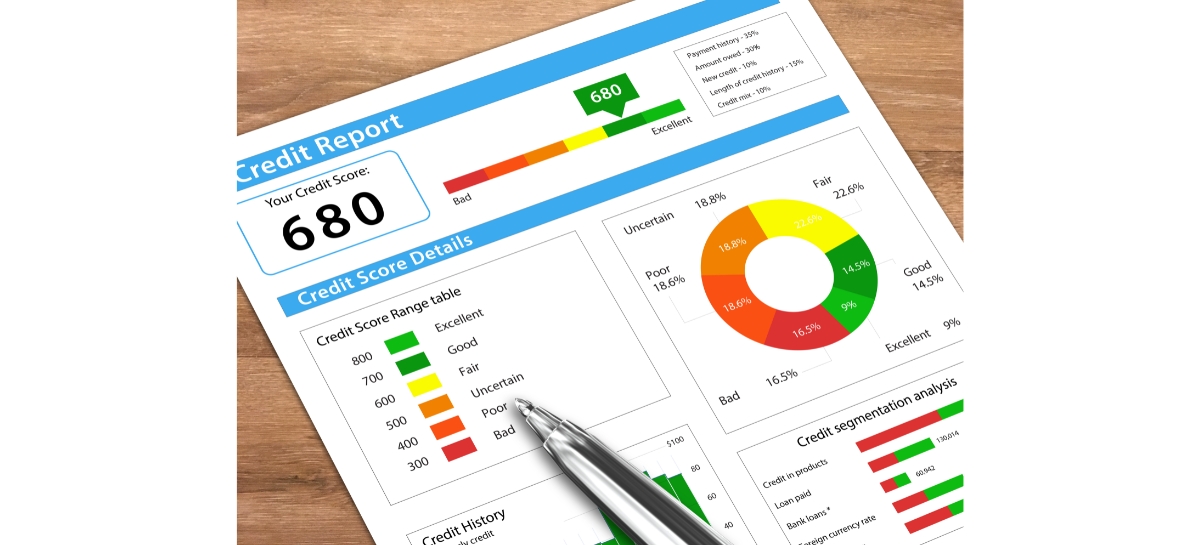
- 18-29 years old: 680
Younger adults are still building their credit. Many in this age group have shorter credit histories, fewer credit accounts, and are more likely to make mistakes like missing payments or maxing out credit cards. Student loans also often weigh heavily on this demographic. - 30-39 years old: 692
By the time people reach their 30s, many have established more substantial credit histories. Mortgage payments, car loans, and credit card debt management start to play a bigger role in their credit scores. - 40-49 years old: 706
Credit scores generally increase for people in their 40s as they have longer credit histories and, in many cases, more stable financial situations. Their experience managing debt—combined with higher earning potential—contributes to stronger credit scores. - 50-59 years old: 724
By their 50s, many people are in their peak earning years and have decades of credit history behind them. This age group tends to benefit from a long record of timely payments and careful debt management. - 60+ years old: 753
Older adults generally have the highest average credit scores. With many having paid off major debts like mortgages, they often have lower debt balances, leading to higher scores.
Average VantageScore 3.0 Scores by Generation
VantageScore 3.0 provides a broader generational breakdown:
- Generation Z (1997+): 669
Many Gen Z adults are just beginning to establish their credit histories. Their lower average scores reflect their inexperience with credit. - Millennials (1981-1996): 677
Millennials often have higher scores than Gen Z, as they’ve had more time to build credit, but student loan debt continues to weigh heavily on this generation. - Generation X (1965-1980): 696
Gen Xers generally have higher scores, thanks to longer credit histories and a more diverse mix of credit accounts. However, they may still be carrying significant debt, including mortgages and car loans. - Baby Boomers (1946-1964): 738
Baby Boomers, with decades of credit history, generally maintain higher scores. Many have paid off significant debts, and they tend to be more financially stable. - Silent Generation (1928-1945): 745
The Silent Generation often holds the highest average credit scores. With most major debts paid off and a lifetime of credit history, they demonstrate high levels of financial responsibility.
Trends and Insights on Credit Scores by Age
There’s a clear trend showing that credit scores tend to improve with age. Older generations benefit from longer credit histories and more experience managing debt. However, young adults have opportunities to raise their scores quickly by establishing good credit habits early. One key takeaway is that while credit scores increase with age, they are also highly dependent on financial behavior. Younger individuals can still achieve excellent credit scores by paying bills on time, keeping balances low, and avoiding unnecessary credit inquiries.
3. What Is a Good Credit Score for Your Age?
While it’s helpful to know the average credit score for your age group, what truly matters is whether your score is considered “good” in the eyes of lenders. Let’s explore what constitutes a good credit score.
What is a Good Credit Score?
In general, a good credit score is defined as:
- FICO Score Ranges:
- Poor: Below 580
- Fair: 580-669
- Good: 670-739
- Very Good: 740-799
- Exceptional: 800+
- VantageScore Ranges:
- Subprime: 300-600
- Near Prime: 601-660
- Prime: 661-780
- Superprime: 781-850
A credit score of 670 or higher in the FICO model or 661 or higher in VantageScore is generally considered good. While many people think of a good credit score as something that varies with age, the truth is that the standards for what is “good” don’t change as you get older.
Why You Shouldn’t Rely Solely on Age-Based Comparisons
Although it might be tempting to compare your score to the average for your age group, it’s better to focus on what helps you achieve your financial goals. For example, if your score is above 670 but still below the average for your age group, you’re still in a good place to qualify for favorable interest rates on most loans.
What’s more important than comparing your score to others in your age group is ensuring it aligns with your financial objectives. If you plan to buy a home, your goal might be to reach a “very good” credit score of 740 or higher, regardless of how others in your age bracket are doing.
4. Does Age Affect Your Credit Score?
While your age itself doesn’t affect your credit score directly, the factors tied to aging—such as the length of your credit history—can play a significant role. Here’s why.
How Credit History Length Influences Your Score
One of the key components of both FICO and VantageScore models is the length of your credit history. A longer credit history gives lenders more data to assess your creditworthiness. This is why older adults tend to have higher credit scores. If you’ve been responsibly managing credit for decades, lenders view this as a sign of stability and reliability.
Younger Adults and Thin Credit Files
Younger adults, especially those in their late teens and early 20s, are often at a disadvantage because they haven’t had as much time to build credit. Many have thin credit files, meaning they don’t have enough accounts or a long enough credit history to generate a strong score. This is why it’s so important to start building credit early.
Closing Old Accounts Can Hurt Your Score
A common mistake that can negatively impact your score is closing old accounts, especially those with a long credit history. When you close an account, it reduces the average age of your credit accounts, which can lower your score. Keeping old accounts open, even if you’re not using them frequently, can help preserve your credit history length and maintain a higher score.
5. Tips to Improve Your Credit Score at Any Age
Improving your credit score is possible at any age, but the strategies you use may vary depending on your financial situation. Here are some actionable tips to boost your credit score, no matter where you are in life.
Regularly Check Your Credit Reports
Everyone is entitled to a free credit report once a year from each of the three major credit bureaus: Equifax, Experian, and TransUnion. Regularly reviewing your report allows you to spot errors that might be dragging down your score. If you find an error, such as a misreported late payment, you can dispute it with the credit bureau to have it corrected.
Pay Your Bills on Time
Payment history is the most significant factor in determining your credit score. Missing even one payment can have a severe impact. Setting up automatic payments or payment reminders can help you stay on top of your bills and avoid late payments.
Lower Your Credit Utilization
Credit utilization refers to the amount of your available credit you’re using at any given time. Ideally, you should aim to use no more than 30% of your total credit limit. If you’re carrying high balances on your credit cards, work on paying them down to reduce your credit utilization ratio. Additionally, you can ask for a credit limit increase to give yourself more breathing room.
Diversify Your Credit Mix
A well-rounded credit portfolio can boost your score. Lenders like to see that you can manage different types of credit, such as revolving credit (credit cards) and installment credit (loans). If you only have one type of credit, consider opening a new type of account to diversify your credit mix.
Limit Hard Inquiries
Every time you apply for new credit, a hard inquiry is added to your credit report, which can temporarily lower your score. While this drop is usually small, it can add up if you apply for multiple accounts within a short period. Be strategic about applying for new credit and avoid opening too many accounts at once.
6. How Your Credit Score Compares to Others in Your Age Group
It’s natural to wonder how your credit score stacks up against others in your age group, but this comparison can be misleading. Instead, you should focus on building and maintaining a score that helps you achieve your personal financial goals.
Credit Score Goals by Age Group
Here are some general guidelines for credit score goals by age group:
- In Your 20s:
This is the ideal time to establish good credit habits. Focus on making payments on time, keeping balances low, and avoiding unnecessary debt. Building a solid credit foundation now will set you up for success later. - In Your 30s:
By your 30s, your credit score should ideally be in the “good” range or higher. This is the stage where you might be taking out larger loans, such as a mortgage, so maintaining a healthy credit score is crucial. - In Your 40s and 50s:
During your 40s and 50s, you should aim for a “very good” or “excellent” credit score. With years of credit history behind you, this is the time to maximize your score and ensure you’re in the best possible position for any major financial decisions, like buying investment properties or financing college education for your children. - In Your 60s and Beyond:
As you approach retirement, your focus should shift toward maintaining your credit score. Avoid taking on new debt unless absolutely necessary, and keep old accounts open to preserve your credit history length.
Why It’s Important to Focus on Personal Goals, Not Just Comparisons
Comparing your credit score to others can lead to unnecessary stress or complacency. Instead of focusing on whether your score is above or below the average for your age group, concentrate on how your score aligns with your personal financial goals. For example, if your goal is to buy a home in the next few years, aim for a score of 740 or higher to qualify for the best mortgage rates.
7. Common Credit Score Mistakes to Avoid Based on Age Group
Different age groups face different credit challenges. Here’s a look at some common mistakes and how to avoid them.
Mistakes Young Adults (18-29) Make
Young adults often face challenges related to building credit for the first time. Here are some common pitfalls to avoid:
- Missing Payments:
One of the most common mistakes young adults make is missing payments on student loans or credit cards. Setting up automatic payments or reminders can help ensure you never miss a payment. - Using Too Much Available Credit:
Many young adults max out their credit cards, which can significantly hurt their credit utilization ratio. Try to keep your balances low and pay off your cards in full each month. - Opening Too Many New Accounts:
Applying for multiple credit cards in a short period can lead to several hard inquiries, which can lower your score. Be selective about opening new accounts.
Mistakes for Those in Their 30s and 40s
By your 30s and 40s, you’re likely managing a more complex financial picture. Here are some common mistakes to watch out for:
- Overextending on Debt:
Many people in their 30s and 40s take on large debts, such as mortgages, auto loans, and personal loans. Be careful not to overextend yourself, as too much debt can hurt your score and strain your finances. - Neglecting Credit Monitoring:
It’s easy to forget about checking your credit report when you’re busy with work and family life. However, neglecting to monitor your credit can lead to problems going unnoticed, such as identity theft or errors on your report.
Mistakes for Those in Their 50s and 60s
As you near retirement, your financial priorities may shift, but it’s still important to manage your credit carefully.
- Closing Old Accounts:
Closing long-standing accounts when you pay off a loan or credit card may seem like a good idea, but it can actually lower your score by reducing the average age of your accounts. Keep old accounts open to maintain your credit history. - Accumulating Unexpected Debt:
Medical bills and other unexpected expenses can add up quickly for those in their 50s and 60s. Make sure you have a plan for managing these expenses without accumulating high-interest debt.
8. How to Monitor and Protect Your Credit Score
Monitoring your credit score regularly is essential for maintaining good financial health, and it’s easier than ever to do so. Here’s how you can stay on top of your credit score and protect it from potential threats.
Free Credit Monitoring Services
Many financial websites and apps offer free credit score monitoring services. These tools allow you to track changes in your credit score over time, receive alerts when there’s significant activity on your credit report, and identify potential issues like identity theft. Some popular free services include:
- NerdWallet
- Credit Karma
- Experian Free Credit Monitoring
These services pull data from your credit report and provide personalized insights on how to improve your score. You can also set up alerts to notify you of any major changes, such as a new credit inquiry or a sudden drop in your score.
Identity Theft Protection
Identity theft is a growing problem that can have a devastating impact on your credit score. To protect yourself, consider signing up for an identity theft protection service. These services monitor your credit report for suspicious activity, help you freeze your credit if necessary, and guide you through the process of recovering your identity if it’s stolen.
Some identity theft protection services also offer insurance coverage for expenses related to restoring your identity, such as legal fees and lost wages. While these services usually come with a monthly fee, the peace of mind they provide can be worth the investment.
9. How to Bounce Back from a Credit Score Drop
Even with the best financial habits, your credit score can drop from time to time. Whether it’s due to a missed payment, high credit utilization, or too many hard inquiries, here’s how you can recover quickly.
Identify the Cause of the Drop
The first step to fixing a credit score drop is understanding why it happened. Review your credit report for any negative marks, such as late payments or high balances. If you find errors, dispute them with the credit bureau to have them corrected.
Set Up Automatic Payments
If your score dropped due to missed payments, setting up automatic payments is a simple and effective way to avoid this problem in the future. Most banks and credit card companies offer the option to schedule automatic payments, ensuring that your bills are always paid on time.
Pay Down Balances Quickly
High credit utilization is another common cause of a credit score drop. If you’ve accumulated high balances on your credit cards, focus on paying them down as quickly as possible. This will improve your credit utilization ratio and help raise your score.
Conclusion:
Whether you’re just beginning your credit journey or managing credit during retirement, understanding how your score compares to others in your age group can provide helpful insights. Remember, there’s no magic number that qualifies as a “good” score based on your age, but staying within the general guidelines for good credit can open up financial opportunities and save you money in the long run. Use the tips in this guide to improve your credit score and achieve your financial goals.